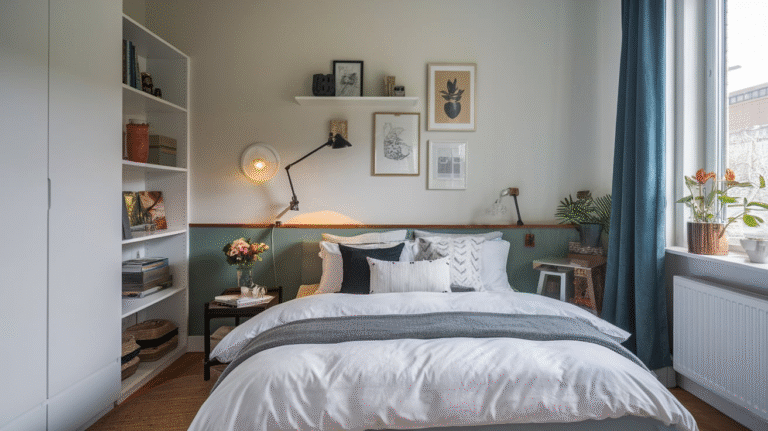
19 Padded Headboard Ideas That Actually Make a Bedroom Feel Finished
Honestly, the moment I realized how much a padded headboard can change a bedroom was the day I leaned back with a book and didn’t hit a cold wall. It sounds small, but that comfort sticks with you.
A lot of bedrooms look fine on the surface, yet still feel unfinished, and in my experience, the headboard is often the missing piece.
That’s why I wanted to share these 19 padded headboard ideas, not as design rules, but as lived-in suggestions that actually work in real homes.
What most people forget is that a headboard isn’t just décor. It’s something you touch every day, something you see first thing in the morning and last thing at night. When it feels good, the whole room feels calmer.
1. Classic Tufted Linen Headboard
There’s something quietly reassuring about a tufted linen headboard. The texture feels soft without being fussy, and it works in almost any bedroom style. In smaller apartments, this kind of padded headboard adds depth without visually crowding the space. My tip is to choose a slightly warmer linen tone—it hides wear better over time.
2. Channel-Tufted for a Modern Look
Channel tufting feels more structured, and honestly, it makes the bed look more expensive than it usually is. You’ll notice how the vertical lines naturally draw the eye upward, which is great if your ceilings aren’t very high. I’ve found this style works best in solid colors like taupe or charcoal. Keep the rest of the bedding simple so the texture stands out.
3. Velvet Padded Headboard for Soft Drama
Velvet has this way of catching light that instantly changes the mood of a room. Even a simple bedroom starts to feel intentional with a velvet padded headboard behind the bed. The good thing is, modern velvets are more forgiving than people expect. If you’re nervous, go for muted shades like dusty blue or olive.
4. Oversized Headboard That Anchors the Room
An oversized padded headboard can feel bold, but in practice, it actually calms the space. It creates a visual anchor, especially in rooms where furniture feels a bit scattered. I’ve seen this work beautifully in master bedrooms with neutral walls. Just make sure the padding isn’t too thin, or it loses that cozy effect.
5. Wingback Style for Extra Comfort
Wingback headboards are underrated. Those subtle side panels make the bed feel like a little retreat, especially if you like sitting up at night. In daily use, they also help block drafts and wall scuffs. My advice is to keep the wings modest in small rooms so things don’t feel boxed in.
6. Soft Leather or Faux Leather Padding
Leather padded headboards bring a quiet richness that fabric sometimes can’t. They’re practical too, especially if you drink coffee in bed like I do. Over time, leather develops character rather than looking worn. Faux leather works just as well if you choose a matte finish instead of something shiny.
7. Neutral Upholstery for Flexible Styling
A neutral padded headboard is one of those choices you never regret. It lets you change bedding, throws, and pillows without rethinking the whole room. In my experience, soft beige or greige works better than stark white. It feels warmer and more forgiving in everyday life.
8. Tall Headboard for a Boutique Feel
Tall padded headboards have that hotel-room energy people love. They make the bed feel more important, even if the rest of the furniture is simple. You’ll notice they look especially good with layered pillows. Just double-check your wall height before committing so it doesn’t overpower the room.
9. Curved Edges for a Softer Mood
Straight lines can feel harsh after a while. A padded headboard with gentle curves adds a softness that’s easy on the eyes. This works beautifully in bedrooms meant to feel relaxed and welcoming. I usually suggest this style for guest rooms where comfort matters more than drama.
10. Minimal Panel Headboard
Not everyone wants a statement piece, and that’s okay. A simple padded panel headboard keeps things clean and understated. The good thing is, it still adds comfort without demanding attention. Pair it with textured bedding so the room doesn’t feel flat.
11. Wall-Mounted Padded Headboard
Wall-mounted padded headboards give a modern, slightly custom look. They’re especially helpful in small bedrooms because they free up floor space visually. What most people forget is to mount them a bit higher than expected. That extra height makes the bed feel more intentional.
12. Two-Tone Upholstered Design
Two-tone padded headboards add interest without overwhelming the room. I’ve seen this work well when the colors are closely related, like cream and tan. It adds subtle contrast you notice more over time. Keep the rest of the décor quiet so the headboard doesn’t compete.
13. Soft Gray for Everyday Living
Gray padded headboards get a bad reputation, but the right shade feels calm and practical. It doesn’t show lint or wear as easily as darker colors. In real homes, that matters more than trendiness. Choose a warm gray to avoid a cold look.
14. Textured Fabric for Visual Depth
Sometimes it’s not the color but the texture that makes a difference. A padded headboard in a woven or slightly nubby fabric adds visual depth without extra accessories. You’ll notice it feels cozier, especially in rooms with minimal décor. This works better than smooth fabric in lived-in spaces.
15. Low-Profile Headboard for Small Rooms
Low-profile padded headboards are perfect when space is tight. They give comfort without dominating the wall. In my experience, this style works best with platform beds. Add layered pillows to compensate for the shorter height.
16. Patterned Upholstery (Used Carefully)
A patterned padded headboard can be beautiful if used carefully. Subtle patterns like herringbone or soft geometrics add personality. The key is restraint—busy patterns can feel overwhelming fast. Keep everything else in the room simple and calm.
17. Dark Upholstery for Cozy Nights
Dark padded headboards create a cocoon-like feeling, especially in bedrooms meant for rest. They absorb light in a way that feels grounding. This works better than most people expect in rooms with good natural light. Balance it with lighter bedding so the space doesn’t feel heavy.
18. Custom DIY Upholstered Headboard
DIY padded headboards sound intimidating, but they’re surprisingly doable. You can choose the exact fabric and padding thickness you want. I’ve found this option works well when standard sizes don’t fit your space. Take your time with measurements—it makes all the difference.
19. Floor-to-Ceiling Padded Wall Panels
This is more of a commitment, but the effect is incredible. Floor-to-ceiling padded panels behind the bed feel luxurious and quiet. They also help with sound, which is a bonus in apartments. If you’re trying this, stick to neutral tones so it ages well.
Conclusion
A padded headboard isn’t about chasing trends or copying magazine photos. It’s about how your bedroom feels when you actually live in it—when you lean back, unwind, and start your day slowly. Over time, you realize that comfort, texture, and a sense of calm matter more than perfect styling. If one of these ideas makes your bedroom feel a little more like a place you want to be, then it’s doing its job.